+971 582595164
 +971 58 259 5163
 info@companysetup.ae
Blog
Manufacturing Industries in Dubai: Key Sectors and Opportunities
 By admin
Updated October 21, 2026
15 min read
By admin
Updated October 21, 2026
15 min read
In this article ⌄
- Start Your Manufacturing Business in Dubai from AED 15,000*
- What Are the Manufacturing Industries in UAE?
- Why the UAE Is a Leading Manufacturing Hub
- Top 12 Manufacturing Industries in UAE
- Food & Beverage Manufacturing
- Pharmaceuticals & Healthcare
- Chemicals & Petrochemicals
- Metal & Steel Fabrication
- Plastics & Packaging
- Textile & Garment Manufacturing
- Furniture Manufacturing
- Building Materials & Cement
- Electronics & Electrical Equipment
- Automotive Parts Manufacturing
- Paper & Printing Industries
- Renewable Energy & Clean Technology
- Start Your Manufacturing Business in Dubai Today
- Best Locations for Manufacturing Companies in UAE
- Dubai Industrial City
- KEZAD Abu Dhabi
- Sharjah Industrial Areas
- Ras Al Khaimah Industrial Zones
- How to Start a Manufacturing Business in UAE
- Step 1: Choose Your Manufacturing Activity
- Step 2: Select Mainland or Free Zone
- Step 3: Apply for an Industrial License
- Step 4: Lease a Factory or Warehouse
- Step 5: Complete Company Registration
- Industrial License for Manufacturing UAE
- Mainland vs Free Zone Manufacturing Company UAE
- Manufacturing License Cost in UAE (2026)
- Documents Required for Manufacturing License UAE
- Manufacturing Company Registration in Dubai
- Government Incentives for UAE Manufacturing Companies
- Frequently Asked Questions About Manufacturing Industries in UAE
- What are the manufacturing industries in UAE?
- Which manufacturing industry is most profitable in the UAE?
- How do I start a manufacturing business in UAE?
- Do I need an industrial license for manufacturing in UAE?
- What is the manufacturing license cost UAE?
- What documents are required for a manufacturing license UAE?
- Can foreigners own a manufacturing company in UAE?
- Should I choose Mainland or Free Zone for manufacturing?
- Where are the best locations for manufacturing factories in UAE?
- How long does it take to register a manufacturing company in Dubai?
- Can I set up a factory in Dubai as a startup?
- What is the difference between a manufacturing licence and a commercial licence?
- Are UAE manufacturing companies eligible for tax benefits?
- What approvals are required before starting industrial manufacturing in UAE?
- Can a manufacturing company export products from the UAE?
- Start Your Manufacturing Business in UAE
- About the Author:
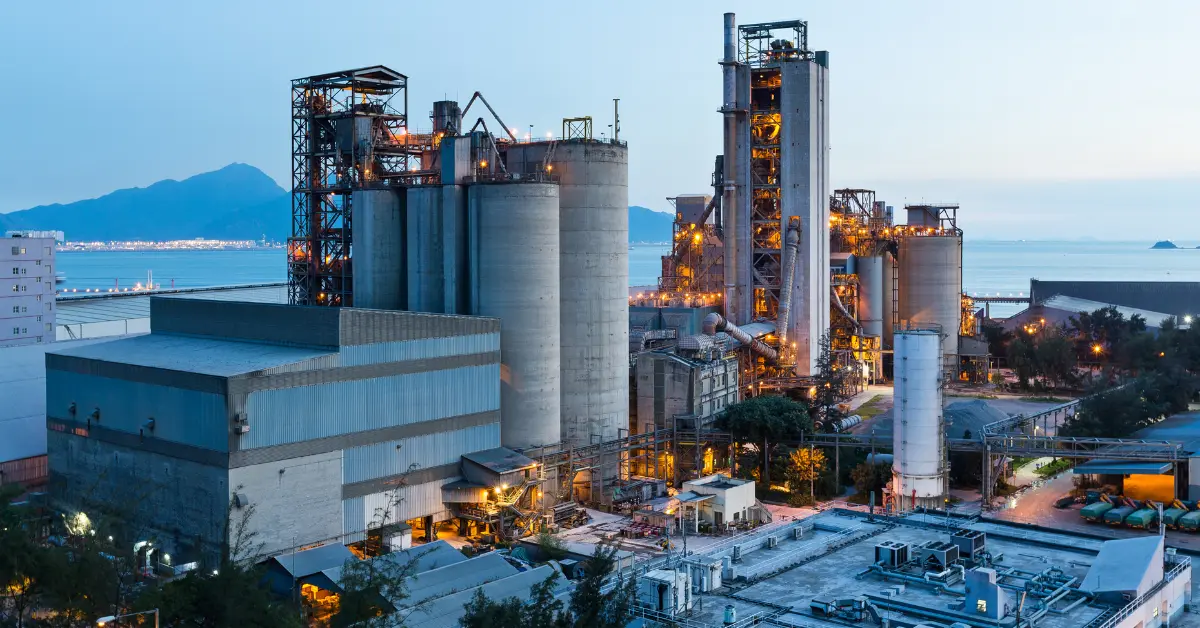
The Manufacturing Industries in UAE have expanded far beyond traditional oil and heavy industries. Today, the country supports food processing, pharmaceuticals, chemicals, metals, plastics, electronics, automotive components, renewable energy equipment and several other production activities.
For entrepreneurs and investors, this creates a strong opportunity to start a manufacturing business in UAE. The country offers modern industrial zones, ports, airports, logistics networks and government programmes designed to attract local and international manufacturers. The National Strategy for Industry and Advanced Technology, known as Operation 300bn, aims to increase the industrial sector’s contribution to UAE GDP to AED 300 billion by 2031.
Planning to start a manufacturing business? Learn more about the requirements and process for obtaining a Manufacturing License in Dubai
However, setting up a factory involves more than obtaining a licence. You need to select the right manufacturing activity, choose a suitable jurisdiction, secure industrial premises, obtain approvals and meet technical requirements. This guide explains the process, costs and major opportunities in the UAE Manufacturing Industry.
Start Your Manufacturing Business in Dubai from AED 15,000*
Get complete support for industrial licensing, factory registration, approvals, warehouse selection, visa services, and company formation. Our specialists help you launch your manufacturing business quickly and in full compliance with UAE regulations.
What Are the Manufacturing Industries in UAE?
The Manufacturing Industries in UAE include businesses that convert raw materials, components or semi-finished goods into finished products. These businesses operate across consumer goods, healthcare, construction, industrial equipment, technology and other sectors.
The Manufacturing Sector in UAE includes both large industrial groups and small and medium-sized enterprises. In fact, the national industrial strategy specifically focuses on strengthening SMEs, encouraging advanced technology and increasing the competitiveness of products manufactured in the country.
Typical Industrial Manufacturing UAE activities include:
- Food and beverage production
- Pharmaceutical manufacturing
- Chemical production
- Metal fabrication
- Plastic products
- Packaging
- Textile and garment production
- Furniture manufacturing
- Building materials
- Electronics
- Automotive components
- Renewable energy equipment
Therefore, investors can select an activity that matches their expertise, investment capacity and target market.
Why the UAE Is a Leading Manufacturing Hub
The UAE offers several practical advantages for UAE Manufacturing Companies.
First, its location connects manufacturers with markets across the Middle East, Africa, Asia and Europe. Ports, airports, highways and logistics facilities make it easier to move raw materials and finished products.
Second, the government actively supports industrial development. Operation 300bn focuses on manufacturing, advanced technology, healthcare, food security, renewable energy and other priority areas.
Moreover, the UAE encourages local production through initiatives such as Make it in the Emirates, which aims to strengthen domestic manufacturing and improve the competitiveness of UAE-made products.
For investors, this means the UAE Industrial Sector offers opportunities not only for traditional factories but also for technology-driven and future-focused production businesses.
Top 12 Manufacturing Industries in UAE
-
Food & Beverage Manufacturing
Food processing remains one of the important Manufacturing Industries in UAE. Businesses can produce packaged foods, beverages, bakery products, dairy products, frozen foods, snacks and other consumer products.
The UAE’s growing population and strong hospitality sector create consistent local demand. Additionally, manufacturers can use the country’s logistics network to export food products to regional markets.
-
Pharmaceuticals & Healthcare
Pharmaceuticals, medical devices and healthcare products represent another important area.
Investors can explore activities such as pharmaceutical production, medical equipment, laboratory products and healthcare supplies. The UAE government identifies pharmaceuticals, biotechnology and medical equipment among priority areas under its industrial strategy.
However, these activities often require specialised approvals and compliance with product and health regulations.
-
Chemicals & Petrochemicals
The UAE’s established energy sector provides a strong foundation for chemical and petrochemical manufacturing.
Businesses can manufacture industrial chemicals, specialty chemicals, polymers, coatings, adhesives and related products. Because these activities can involve hazardous materials, investors should assess environmental, safety and storage requirements before choosing a facility.
-
Metal & Steel Fabrication
Metal fabrication is widely used in construction, infrastructure, engineering and industrial projects.
Manufacturers can produce structural steel, fabricated components, aluminium products, metal equipment and specialised parts. Dubai and Abu Dhabi offer industrial ecosystems that support these activities.
-
Plastics & Packaging
Plastic products and packaging support almost every major industry.
Manufacturers can produce bottles, containers, films, packaging materials, plastic components and industrial packaging. Furthermore, demand from food, retail, logistics and manufacturing businesses creates opportunities for specialised packaging companies.
-
Textile & Garment Manufacturing
Textile and garment businesses can manufacture clothing, uniforms, home textiles, fabrics and specialised textile products.
The UAE also provides an attractive base for businesses that combine manufacturing with regional distribution and re-export activities.
-
Furniture Manufacturing
Furniture manufacturing covers residential furniture, office furniture, hospitality products and customised interiors.
Dubai, in particular, offers access to a large construction, hospitality and real estate market. Consequently, manufacturers can target both local buyers and regional projects.
-
Building Materials & Cement
Construction creates strong demand for locally manufactured building materials.
This segment includes cement products, blocks, tiles, insulation materials, concrete products, glass, ceramics and other construction components.
For manufacturers, local production can reduce transportation costs and improve supply times for major construction projects.
-
Electronics & Electrical Equipment
Electronics represents one of the more technology-focused areas of the Dubai Manufacturing Industry.
Opportunities include electrical components, control systems, equipment, appliances, cables and specialised electronic products. The national industrial strategy also identifies electrical equipment and advanced technology as important growth areas.
-
Automotive Parts Manufacturing
The UAE’s logistics infrastructure and automotive market create opportunities for component manufacturers.
Businesses can manufacture vehicle components, metal parts, plastic components, accessories and specialised equipment for automotive supply chains.
-
Paper & Printing Industries
Paper products, commercial printing, packaging materials, labels and specialised printed products continue to support UAE businesses.
Manufacturers can target retail, logistics, hospitality, education and industrial customers.
-
Renewable Energy & Clean Technology
Clean technology has become an increasingly important area of the UAE Manufacturing Industry.
Opportunities include solar-related equipment, energy systems, electrical components, recycling equipment and other clean-technology products. Renewable energy equipment also appears among the priority manufacturing areas identified by MoIAT.
Planning to start an industrial business in Dubai? Learn more about the Industrial License in Dubai, including eligibility, requirements, costs, and the application process.
Start Your Manufacturing Business in Dubai Today
Get expert assistance with industrial licensing, company formation, factory setup, approvals, and business registration in Dubai.
Best Locations for Manufacturing Companies in UAE
Choosing the right industrial location can directly affect rent, logistics, labour access, utilities and expansion costs.
Dubai Industrial City
Dubai Industrial City is a major manufacturing and logistics hub. It offers industrial land, warehouses and sector-focused infrastructure. Its location also provides access to Jebel Ali Port, Al Maktoum International Airport and major road networks.
It can suit manufacturers that want to remain close to Dubai’s commercial market while maintaining dedicated industrial facilities.
KEZAD Abu Dhabi
KEZAD provides an extensive industrial ecosystem for manufacturing, logistics and large-scale production. Its companies operate across metals, polymers, food processing, automotive and logistics.
KEZAD also offers both mainland and free-zone environments, allowing investors to select a structure based on their market and ownership requirements.
Sharjah Industrial Areas
Sharjah offers several established industrial areas with access to manufacturing, warehousing, engineering and trading businesses.
For SMEs, Sharjah can offer a practical balance between industrial space, operating costs and access to the wider UAE market.
Ras Al Khaimah Industrial Zones
Ras Al Khaimah attracts manufacturers looking for industrial facilities, warehouses and cost-conscious operating environments.
The emirate can work particularly well for SMEs, construction-material manufacturers, trading businesses with production operations and export-focused companies.
How to Start a Manufacturing Business in UAE
If you want to know how to start a manufacturing business in UAE, follow a structured process.
Step 1: Choose Your Manufacturing Activity
Start by defining exactly what you will manufacture.
For example, “food manufacturing” covers many different activities, and each activity may have different regulatory requirements. Therefore, choose the activity carefully before applying for your licence.
The selected activity determines the type of approvals, facility requirements and licensing conditions you may face.
Step 2: Select Mainland or Free Zone
Next, decide between a mainland company and a free zone structure.
A mainland setup can suit manufacturers that want direct access to the UAE domestic market and local projects. A Free Zone manufacturing company UAE structure can work well for export-oriented businesses, international trading and manufacturers that want to operate within a specialised industrial zone.
Step 3: Apply for an Industrial License
Manufacturing activities generally require an industrial licence from the relevant local licensing authority.
For eligible industrial facilities, MoIAT also provides an Industrial Production License. The current MoIAT process requires a valid local industrial licence and includes document review and facility inspection.
Therefore, do not treat the local licence and federal industrial requirements as interchangeable. Your exact requirements depend on the activity and facility.
Step 4: Lease a Factory or Warehouse
You need suitable premises for production.
The facility should accommodate machinery, raw materials, production lines, storage, workers and safety requirements. Some activities also require environmental, municipal, civil defence or other technical approvals.
Step 5: Complete Company Registration
Finally, complete the incorporation, licensing and regulatory procedures.
The UAE government recommends starting with the business activity, followed by legal structure, trade name, initial approval, location, additional approvals and licence issuance.
Industrial License for Manufacturing UAE
An industrial license for manufacturing UAE allows a business to conduct approved industrial production activities.
However, manufacturing companies may also need additional approvals depending on their products and processes.
MoIAT’s Industrial Production License service applies to eligible industrial facilities and connects the factory with the ministry’s industrial registration framework. The service can also provide access to certain industrial benefits, including customs-related exemptions for qualifying machinery, equipment and production inputs.
MoIAT currently lists requirements such as a local industrial licence and company incorporation documents. Its stated criteria for the Industrial Production License also include at least 10 employees and factory capital of at least AED 250,000 for applicable facilities.
So, before you invest in machinery or property, confirm whether your project falls within these requirements.
Mainland vs Free Zone Manufacturing Company UAE
| Factor | Mainland | Free Zone |
|---|---|---|
| UAE domestic market | Strong direct access | Depends on applicable rules |
| Foreign ownership | 100% for many eligible activities | 100% for eligible businesses |
| Export focus | Suitable | Particularly suitable |
| Industrial facilities | Available | Available in selected zones |
| Government projects | Generally easier to access | May require additional arrangements |
| Best suited for | UAE-focused manufacturing | Export and international manufacturing |
The right option depends on where you will sell your products.
For example, a factory supplying UAE construction companies may prefer a mainland structure. On the other hand, an export-oriented manufacturer may find a free zone more practical.
Manufacturing License Cost in UAE (2026)
The manufacturing license cost in the UAE varies depending on the business activity, emirate, legal structure, facility requirements, and the type of manufacturing operation. There is no single fixed government fee for every manufacturing business.
Your budget can include:
- Local industrial licence fees
- Company registration charges
- Trade name and government fees
- Factory or warehouse rent
- Security deposits
- Industrial approvals
- Environmental approvals
- Machinery and installation
- Utility connections
- Employee visas
- Insurance and compliance costs
A small manufacturing setup may start with a relatively modest licensing budget, while a factory with substantial production capacity can require a much larger investment.
Therefore, avoid choosing a jurisdiction only because it advertises a low licence price. For manufacturing, the factory, utilities and approvals often have a much greater impact on the total investment.
Documents Required for Manufacturing License UAE
The documents required for manufacturing license UAE depend on the activity and licensing authority. Common documents include:
- Passport copies of shareholders
- Passport photographs
- Proposed trade name
- Business activity details
- Business plan
- Memorandum of Association
- Initial approval documents
- Factory or warehouse lease
- Site layout
- Machinery and production details
- Environmental documents, where required
- Municipal approvals, where required
- Civil defence approvals, where applicable
MoIAT’s current Industrial Production License service specifically lists the local industrial licence, partnership/incorporation documents and owner or manager identification among its requirements.
Additional documents may apply to regulated products.
Manufacturing Company Registration in Dubai
Manufacturing company registration Dubai requires careful planning because the authority needs to understand both your business activity and production facility.
Start by selecting the exact industrial activity. Then choose the legal structure and jurisdiction. After that, reserve the trade name and obtain initial approval.
Next, secure a suitable factory or industrial unit. Depending on the activity, you may need approvals related to environmental impact, fire safety, health, building use, machinery and production processes.
Finally, complete the local industrial licensing process and any applicable federal industrial registration or production licensing.
For industrial projects, early planning matters. A factory lease signed before confirming licensing and approval requirements can create unnecessary costs.
Government Incentives for UAE Manufacturing Companies
The UAE has built several programmes to strengthen its industrial base.
Operation 300bn aims to raise the industry’s GDP contribution to AED 300 billion by 2031. The strategy focuses on investment, advanced technology, local manufacturing and export competitiveness.
Furthermore, the Emirates Development Bank has allocated financing support for priority sectors under the strategy, including manufacturing, healthcare, food security, technology and renewable energy.
The In-Country Value (ICV) programme also supports local economic participation. MoIAT operates an ICV certification system that helps companies demonstrate their contribution to the UAE economy.
Eligible industrial businesses may also access certain customs-related benefits through the industrial production licensing framework, subject to the applicable conditions.
Because incentives change according to the project and eligibility, manufacturers should assess them before finalising their investment structure.
Frequently Asked Questions About Manufacturing Industries in UAE
What are the manufacturing industries in UAE?
The Manufacturing Industries in UAE cover food and beverages, pharmaceuticals, chemicals, metals, plastics, packaging, textiles, furniture, building materials, electronics, automotive components and clean technology.
Which manufacturing industry is most profitable in the UAE?
Food processing, pharmaceuticals, packaging, chemicals, building materials and advanced technology can offer attractive opportunities. However, profitability depends on production costs, demand, competition, financing and export potential.
How do I start a manufacturing business in UAE?
Choose your activity, select mainland or free zone, establish your company, obtain the required industrial licence, lease an approved facility, secure additional approvals and complete registration.
Do I need an industrial license for manufacturing in UAE?
Yes. Manufacturing activities require the appropriate local industrial licence. Eligible facilities may also need an Industrial Production License from MoIAT.
What is the manufacturing license cost UAE?
The manufacturing license cost UAE depends on the activity, authority, facility, approvals, visas and other requirements. A simple licence fee does not represent the total cost of establishing a factory.
What documents are required for a manufacturing license UAE?
Common documents include passports, incorporation documents, business plans, trade name information, initial approvals, factory lease documents and technical or environmental documents where required.
Can foreigners own a manufacturing company in UAE?
Yes. Foreign investors can own 100% of eligible manufacturing businesses, subject to the applicable activity and jurisdiction rules. The UAE’s industrial strategy explicitly supports foreign investment and full foreign ownership for eligible industrial establishments.
Should I choose Mainland or Free Zone for manufacturing?
Choose mainland when your primary goal involves the UAE domestic market. Consider a free zone when exports, international markets or a specialised industrial ecosystem form the core of your business.
Where are the best locations for manufacturing factories in UAE?
Popular locations include Dubai Industrial City, KEZAD, Sharjah’s industrial areas and Ras Al Khaimah industrial zones. JAFZA also remains an important option for businesses that need access to Jebel Ali’s trade and logistics ecosystem.
How long does it take to register a manufacturing company in Dubai?
The timeline depends on the activity, facility, inspections and external approvals. A straightforward registration can move quickly, while a full factory project may take several weeks or longer.
Can I set up a factory in Dubai as a startup?
Yes. A startup can set up a factory in Dubai if it meets the licensing, premises, technical, safety and regulatory requirements for its manufacturing activity.
What is the difference between a manufacturing licence and a commercial licence?
A manufacturing or industrial licence covers production or processing activities. A commercial licence generally covers activities such as trading, wholesale, retail, import and export.
Are UAE manufacturing companies eligible for tax benefits?
Some businesses may qualify for specific incentives or tax treatment depending on their structure, location and activities. Free-zone tax benefits also depend on meeting the relevant conditions. Always assess the current tax rules before making an investment decision.
What approvals are required before starting industrial manufacturing in UAE?
Depending on the product and facility, approvals can involve the local licensing authority, MoIAT, municipality, civil defence, environmental authorities and specialised regulators.
Can a manufacturing company export products from the UAE?
Yes. The UAE’s ports, airports, roads and industrial zones support international trade. Manufacturers can use the country as a production and distribution base for regional and global markets.
Start Your Manufacturing Business in UAE
The UAE offers a strong platform for investors who want to build a manufacturing operation with access to local customers and international markets. However, the right activity, licence, industrial location and facility can make a major difference to your setup cost and long-term growth.
If you are planning manufacturing business setup UAE, our team can help you evaluate the activity, choose between mainland and free zone, understand the industrial license for manufacturing UAE, prepare the required documents and coordinate company registration.
About the Author:
Company Setup Consultants is a team of experienced business setup consultants in Dubai with 13+ years of experience helping entrepreneurs, startups, and investors establish and grow businesses across the UAE. The team’s expertise covers company formation, trade licensing, PRO services, Golden Visa applications, trademark registration, VAT, corporate banking assistance, and business compliance. Based at Conrad Business Tower, 19th Floor, Sheikh Zayed Road, Dubai, the team creates accurate, practical, and regularly updated content based on hands-on industry experience and the latest UAE business regulations.